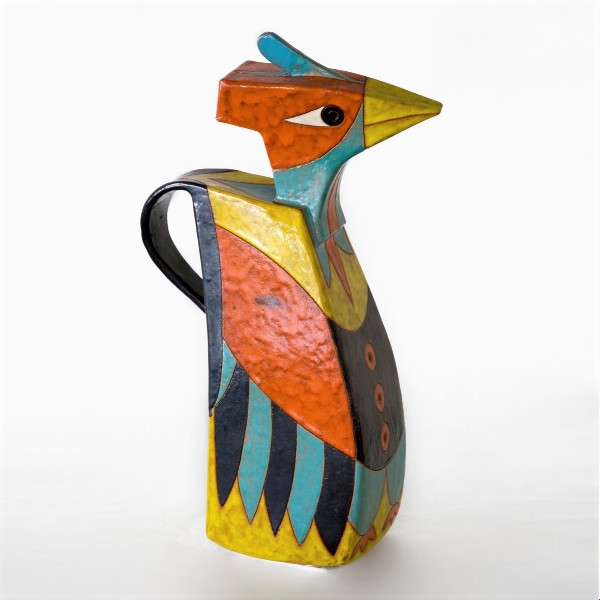
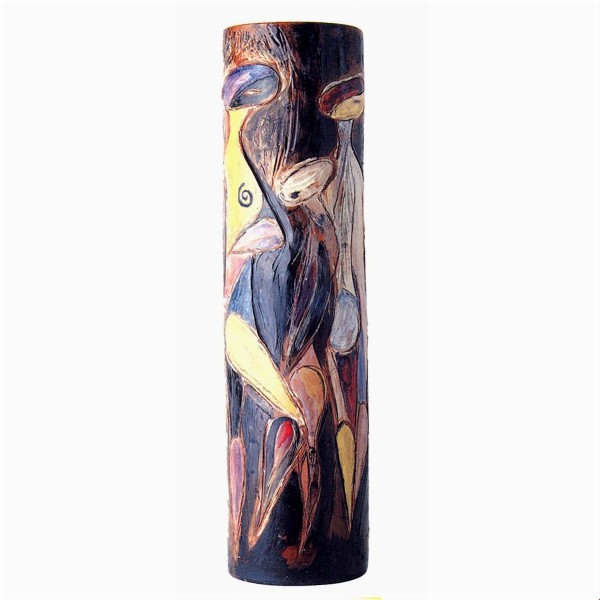
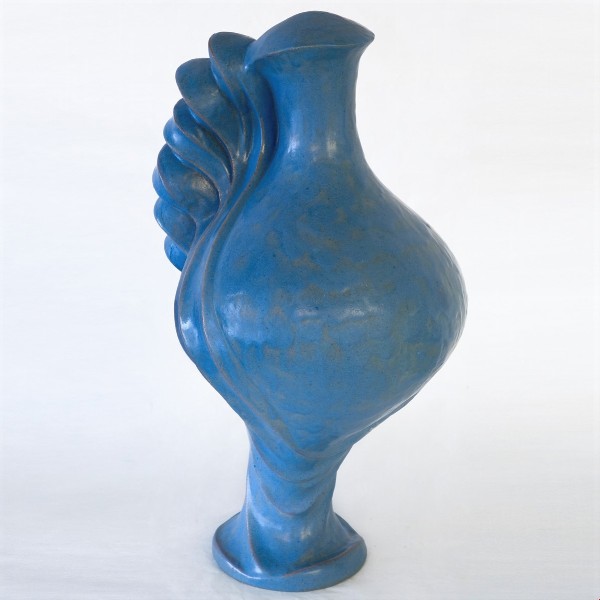
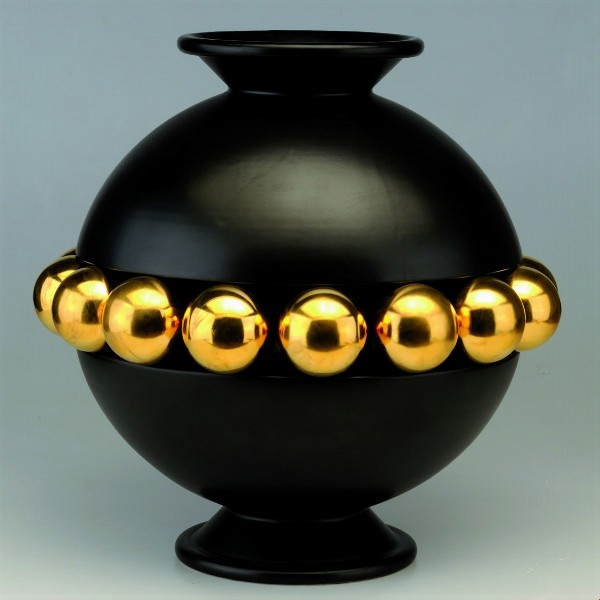
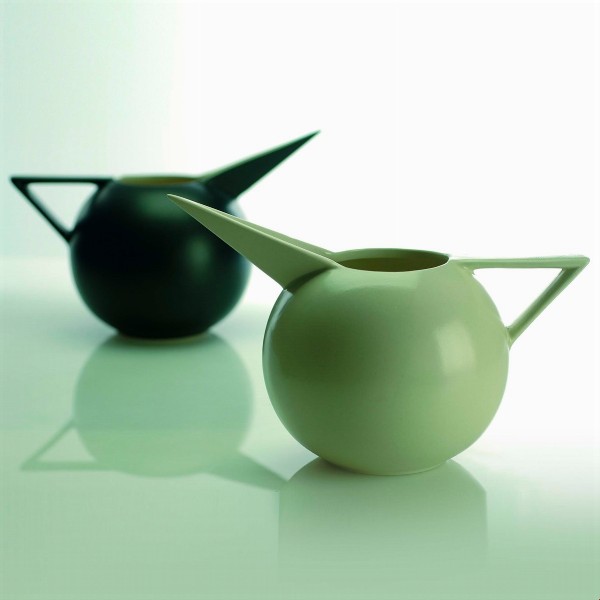
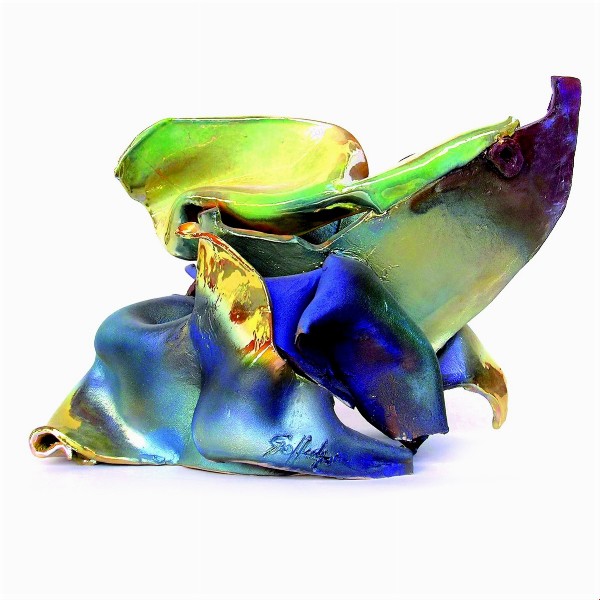
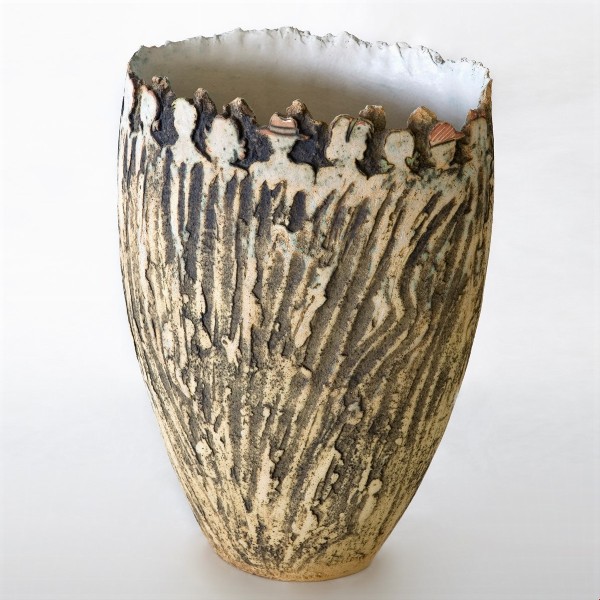
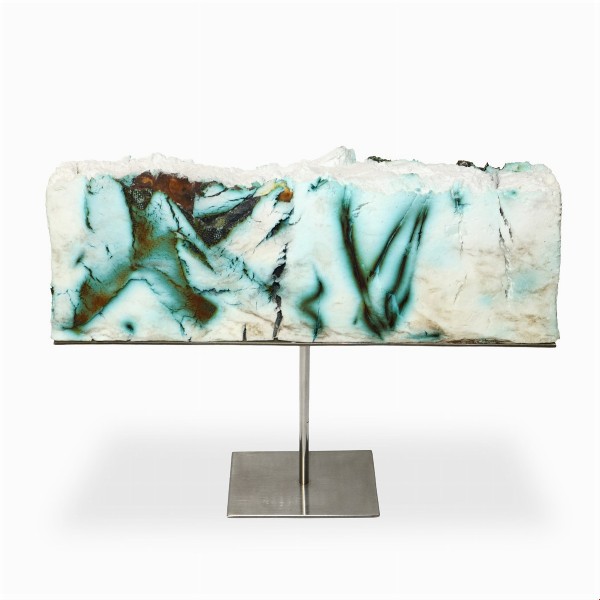
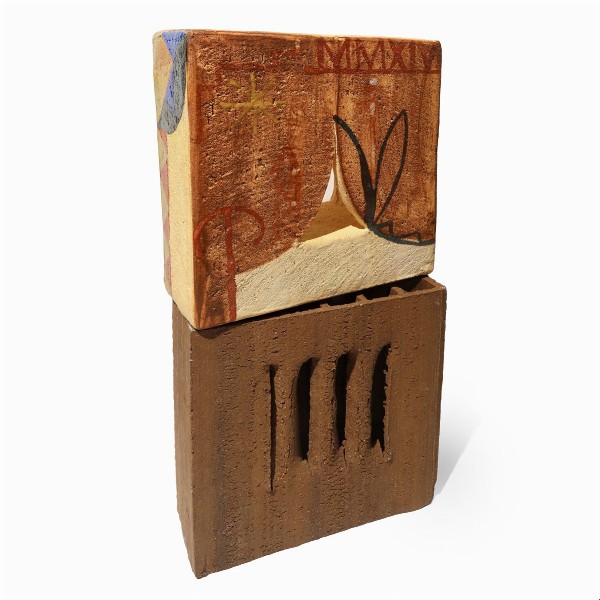
The collection, consisting of over 135 works, represents a unique whole and provides a comprehensive account of the evolution of the ceramic landscape from the post-war period to the present day—a time marked by a renewed artistic vision and fruitful collaborations between architects, sculptors, and designers. It constitutes a true mapping of ceramic art and design by 93 renowned artists, already featured in museum contexts.
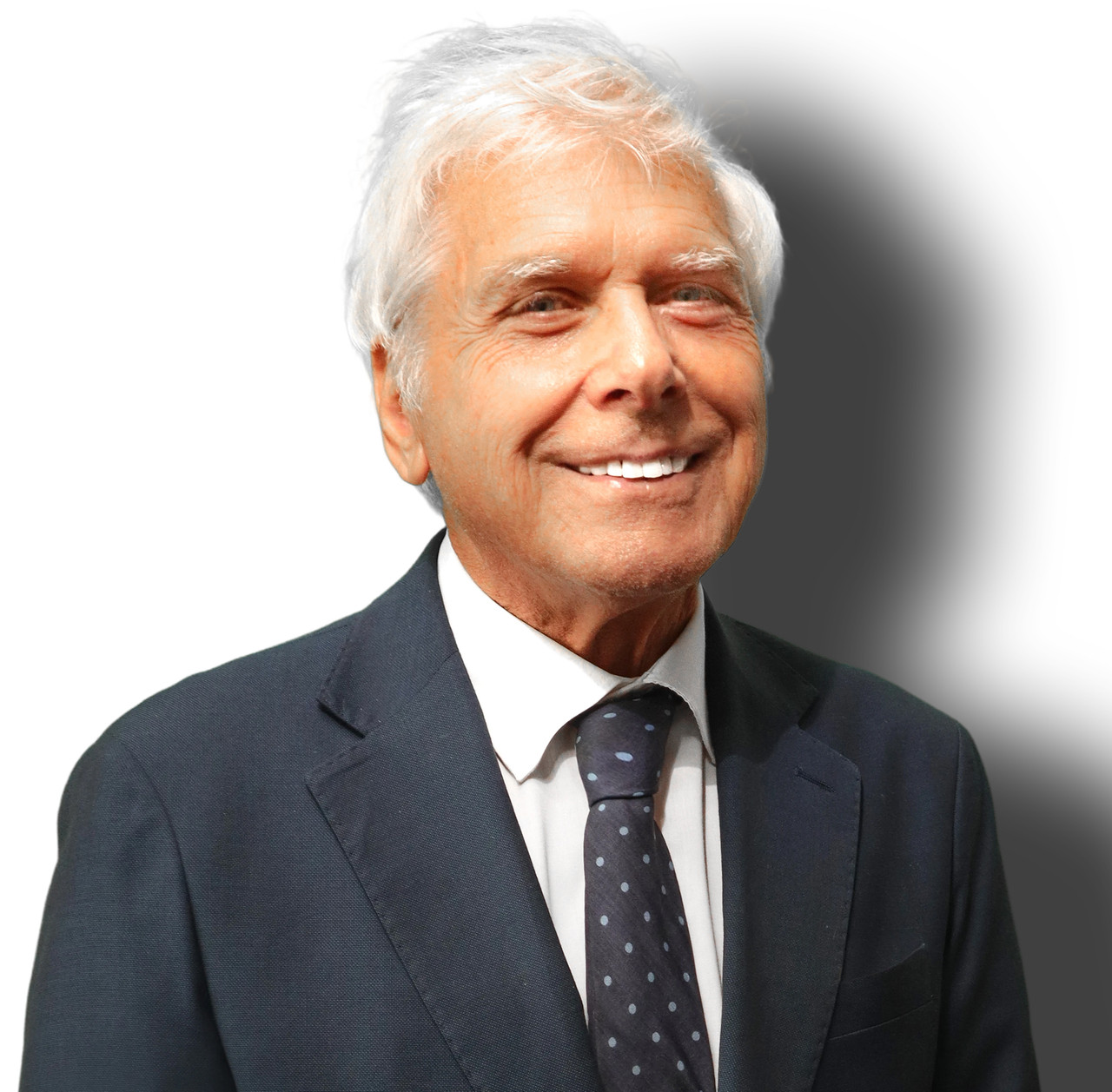
“For a long time considered a secondary discipline within the visual arts, Italian ceramics underwent, starting in the 1950s, a profound and surprising evolution that radically redefined its cultural status. One of the most emblematic transformations is represented by the dissolution of the traditional dichotomy between art and craftsmanship, replaced by an integrated vision in which the languages of manual skill engage in dialogue with those of aesthetic experimentation. In this new perspective, the contemporary artist is no longer distinguished by belonging to a specific genre, but by the ability to merge technical knowledge and historical memory into a creative synthesis that, while rooted in the past, projects itself toward the future.
Ceramics thus becomes fertile ground for individual research, freed from decorative and functional conventions, capable of giving form to a complex and layered artistic thought. Indeed, the modern ceramic work does not end with its making, but is completed through the interpretation of the viewer. The centrality of the author gives way to a participatory dynamic in which the audience becomes an active part of meaning. In this context, numerous Italian artists have rediscovered the expressive potential of majolica, elevating it to an autonomous and sophisticated medium of artistic inquiry. Their works, rich in symbolic and formal strength, have helped redefine ceramics as a fully legitimized language within the contemporary art system.
The collection presented here stands as a tribute to this aesthetic revolution. The selected works testify to a renewed interest in ceramics as an expressive medium, capable of crossing genres and contaminating disciplines. From mixed techniques to installations, from sculpture to hybrid forms, each piece reflects the vitality of a material in constant dialogue with its time. In these creations, the traditional idea of ceramic art dissolves, replaced by a fluid and coessential conception in which past and present coexist in an unstable yet fertile balance. The artifact is no longer merely the result of a technique, but a vehicle for narrative, critique, and reflection.
Mass culture, the languages of marketing, and the media all contribute to shaping the imaginary in which these works are situated, helping to define their reception and symbolic value. Within this framework, the ceramic object assumes a complex identity: the outcome of a postmodern synthesis in which traditional categories merge into a network of open and interconnected meanings. This collection thus takes shape as a journey through the metamorphosis of Italian ceramics: from utilitarian object to art form, from artisanal product to collectible and museum-worthy expression.
The works on display recount a path of experimentation and hybridization, in which different materials—from ceramics to stoneware, from glass to metal—intertwine with cross-disciplinary artistic visions and functions freed from the constraints of utility. Matter thus opens itself to sculpture, installation, and action. Surfaces no longer decorate, but question; forms no longer serve, but evoke. It is a fluid and dynamic art, in which the value of the artifact lies in its ability to innovate artistic language, to stimulate critical vision, and to activate emotion and thought.
Within this horizon stand key figures, protagonists of a silent revolution that has restored ceramics to a central role in contemporary artistic discourse. Their works, now highly sought after in the collectors’ market, are not merely art objects, but manifestos of a modern sensibility that has made ceramics a vehicle for plural languages, capable of speaking to an increasingly attentive and aware audience.” - Giacomo La Rosa
Ceramics thus becomes fertile ground for individual research, freed from decorative and functional conventions, capable of giving form to a complex and layered artistic thought. Indeed, the modern ceramic work does not end with its making, but is completed through the interpretation of the viewer. The centrality of the author gives way to a participatory dynamic in which the audience becomes an active part of meaning. In this context, numerous Italian artists have rediscovered the expressive potential of majolica, elevating it to an autonomous and sophisticated medium of artistic inquiry. Their works, rich in symbolic and formal strength, have helped redefine ceramics as a fully legitimized language within the contemporary art system.
The collection presented here stands as a tribute to this aesthetic revolution. The selected works testify to a renewed interest in ceramics as an expressive medium, capable of crossing genres and contaminating disciplines. From mixed techniques to installations, from sculpture to hybrid forms, each piece reflects the vitality of a material in constant dialogue with its time. In these creations, the traditional idea of ceramic art dissolves, replaced by a fluid and coessential conception in which past and present coexist in an unstable yet fertile balance. The artifact is no longer merely the result of a technique, but a vehicle for narrative, critique, and reflection.
Mass culture, the languages of marketing, and the media all contribute to shaping the imaginary in which these works are situated, helping to define their reception and symbolic value. Within this framework, the ceramic object assumes a complex identity: the outcome of a postmodern synthesis in which traditional categories merge into a network of open and interconnected meanings. This collection thus takes shape as a journey through the metamorphosis of Italian ceramics: from utilitarian object to art form, from artisanal product to collectible and museum-worthy expression.
The works on display recount a path of experimentation and hybridization, in which different materials—from ceramics to stoneware, from glass to metal—intertwine with cross-disciplinary artistic visions and functions freed from the constraints of utility. Matter thus opens itself to sculpture, installation, and action. Surfaces no longer decorate, but question; forms no longer serve, but evoke. It is a fluid and dynamic art, in which the value of the artifact lies in its ability to innovate artistic language, to stimulate critical vision, and to activate emotion and thought.
Within this horizon stand key figures, protagonists of a silent revolution that has restored ceramics to a central role in contemporary artistic discourse. Their works, now highly sought after in the collectors’ market, are not merely art objects, but manifestos of a modern sensibility that has made ceramics a vehicle for plural languages, capable of speaking to an increasingly attentive and aware audience.” - Giacomo La Rosa